
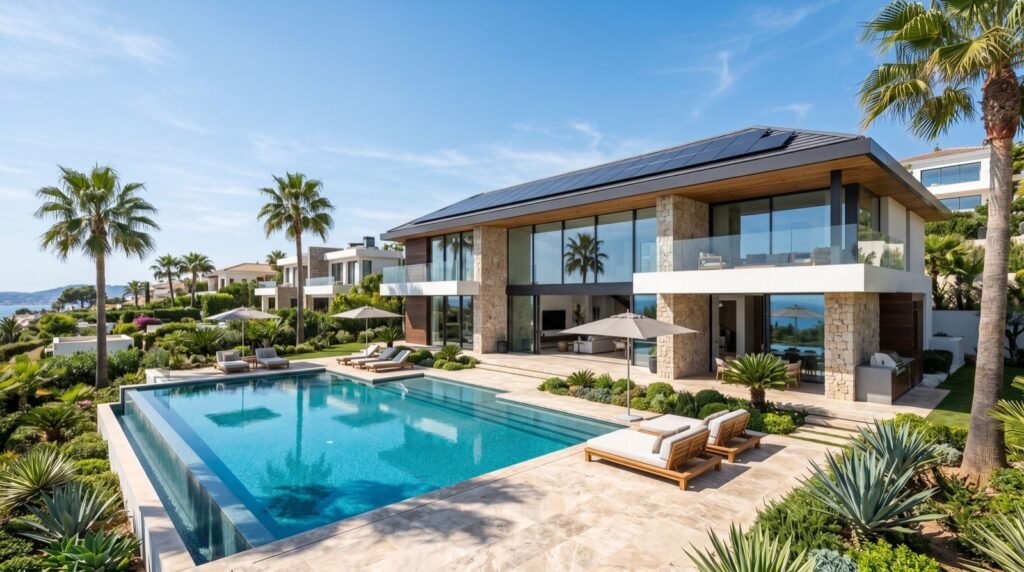
Solar Installation in Sialkot: A 2026 Homeowner’s Guide to Going Off-Grid
A quality solar installation in Sialkot has shifted from a luxury purchase to a practical financial decision for thousands of families across Punjab. With grid tariffs climbing again in 2026 and load-shedding still biting during peak summer months, the maths behind a rooftop system now works out faster than most people expect. This guide walks you through what a modern installation actually involves, what it costs, and how to avoid the common mistakes that leave homeowners disappointed.
Sialkot’s climate is genuinely well suited to solar. The city enjoys long, clear days for most of the year, and its industrial base means the local trades understand electrical work well. The result is a mature market where you can find genuinely skilled installers rather than weekend fitters.
Why solar installation in Sialkot makes sense right now
The single biggest driver is the price of grid electricity. Every unit you generate from your own roof is a unit you no longer buy at the marginal tariff, which is where the savings compound. A well-sized system in Sialkot typically pays for itself within three to five years, then delivers free power for another two decades.
Net metering adds another layer. When your panels produce more than the house consumes during the day, the surplus flows back to the grid and offsets your night-time draw. According to the International Energy Agency, solar PV is now the cheapest source of new electricity generation in most of the world, and Pakistan’s abundant sunlight makes that economics especially favourable.
The equipment that actually matters
Panels get the attention, but the inverter is the heart of the system. It converts DC from your roof into the AC your home uses, and a poor inverter will throttle even the best panels. Spend time comparing warranties, efficiency ratings, and after-sales support before you commit.
- Panels: Tier-1 monocrystalline modules offer the best output per square metre.
- Inverter: Choose a hybrid model if you plan to add batteries later.
- Mounting: Corrosion-resistant rails matched to your roof type.
- Protection: Surge arrestors and proper earthing are non-negotiable.
What does a full installation cost in 2026?
Prices depend on system size, panel quality, and whether you include storage. The table below gives realistic 2026 ranges for grid-tied residential systems in the Sialkot area. Treat these as planning figures and always get an itemised quote.
| System Size | Typical Home | Approx. Daily Output | Indicative Cost (PKR) |
|---|---|---|---|
| 5 kW | 2-3 bedroom | 20-24 units | 750,000 – 1,000,000 |
| 7.5 kW | 4 bedroom | 30-36 units | 1,100,000 – 1,450,000 |
| 10 kW | Large / small business | 40-48 units | 1,500,000 – 2,000,000 |
Batteries roughly add 40-60% to these figures, so many households start grid-tied and add storage later once savings accumulate. If you are comparing quotes across cities, homeowners looking at solar panels in Rawalpindi often see similar pricing bands, which makes cross-checking a useful sanity test.
How to choose the right installer
The hardware market has largely commoditised, so the installer is what separates a system that performs from one that underdelivers. A careful, methodical company will survey your roof, model your consumption, and size the array to your actual usage rather than selling you the biggest system possible.
- Ask for recent local references you can actually call.
- Confirm they handle the net-metering paperwork end to end.
- Check the workmanship warranty, not just the panel warranty.
- Insist on a written performance estimate in units per year.
- Verify they use certified electricians for the grid connection.
For a trustworthy, professional install it pays to work with a company that treats your roof as a long-term asset. Established providers such as those offering solar installation in Sialkot combine local knowledge with proper engineering, and the difference shows in the years after commissioning. If you are managing a larger property project or renovation alongside your solar plans, coordinating with dependable specialists for the structural side keeps the whole job on schedule.
Maintenance you should not ignore
Solar is famously low-maintenance, but “low” is not “none”. Dust accumulation is the biggest enemy of output in Punjab, so a gentle wash every few weeks during the dry season noticeably lifts generation. Beyond that, an annual inspection of connections, mounting, and inverter health keeps small faults from becoming expensive failures.
Many homeowners are surprised at how much a single dusty month can cost them in lost units. A quick early-morning rinse with clean water and a soft brush is usually enough, and it takes only a few minutes once you have a routine. Avoid harsh chemicals or abrasive pads, which can scratch the protective glass and permanently reduce output.
Batteries: worth it in Sialkot?
Storage is the question every buyer eventually asks. A battery lets you use your solar power after sunset and keeps essential circuits alive during load-shedding, but it also adds meaningfully to the upfront cost. Whether it makes sense depends on how badly outages affect you and how much of your usage falls after dark.
For many Sialkot families, a sensible path is to start with a grid-tied system and design it to be hybrid-ready. That way you capture immediate savings, then add a battery once prices fall further or your needs change. Lithium-iron-phosphate packs have become the default choice because of their long cycle life and safety compared with older lead-acid banks.
If frequent outages disrupt your work or comfort, though, even a modest battery sized to cover lights, fans, routers, and a fridge can transform daily life. Discuss your real priorities with your installer rather than accepting a one-size-fits-all recommendation.
Is my roof suitable for solar?
Most Sialkot rooftops are excellent candidates. Flat concrete roofs are ideal because installers can tilt panels to the optimal angle for year-round yield. The key considerations are available unshaded area, structural soundness, and orientation, with south-facing surfaces giving the strongest returns.
If part of your roof is shaded by a water tank, parapet, or neighbouring building, modern panel-level optimisers or microinverters can recover much of the lost output. A good surveyor will flag these issues before installation rather than after.
Frequently Asked Questions
How long does a solar installation in Sialkot take?
A typical residential system is physically installed in one to three days. The longer wait is usually the net-metering approval, which can take a few weeks depending on your distribution company and how complete your paperwork is.
Will solar work during load-shedding?
A standard grid-tied system shuts off during an outage for safety. If you want power during load-shedding you need a hybrid inverter with battery storage, which keeps essential circuits running seamlessly.
How much can I realistically save?
Households that size their system correctly commonly cut their electricity bills by 70-90%. The exact figure depends on your consumption pattern, tariff slab, and how much daytime load you can shift onto solar hours.
Do panels degrade over time?
Yes, but slowly. Quality panels lose roughly 0.5% of output per year and still deliver around 85% of their rated capacity after 25 years, which is why long warranties matter so much.
Final thoughts
A thoughtfully engineered solar installation in Sialkot is one of the most reliable investments a Pakistani homeowner can make in 2026. Rising tariffs, generous net metering, and a mature local installer base have combined to shorten payback periods dramatically. Do your homework on the installer, size the system to your genuine needs, and you will enjoy cleaner, cheaper, and more independent power for decades to come.